Beneath our feet lies one of the most powerful carbon stores on the planet. Healthy soil holds more carbon than all the world’s forests and atmosphere combined. And above our heads, pollinating insects quietly support over three-quarters of the world’s food crops, yet their populations are declining at an alarming rate. These are not distant environmental statistics. They are happening right here, on UK farmland, in university fields, in the spaces most of us walk past without a second thought.
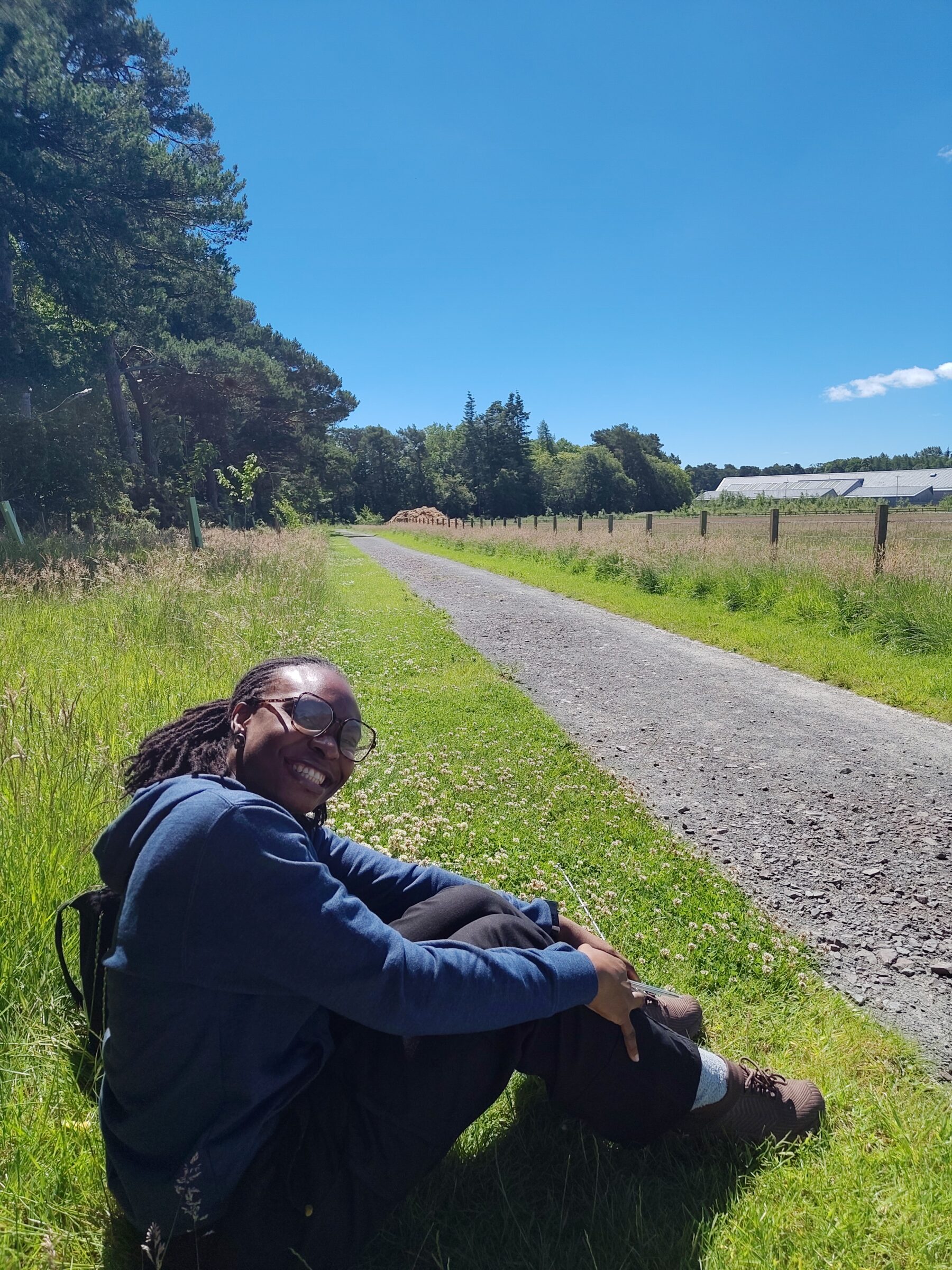
My name is Chizoba Okorie Kama, and I am currently completing an MSc in Environmental Sustainability at the University of Edinburgh as a Mastercard Foundation Scholar. When I heard about the field trips organised by SOS UK as part of its Farming for Carbon and Nature programme, I signed up without hesitation. And when the opportunity came to return for a second visit, I did not think twice.
The Farming for Carbon and Nature programme works with university and college farms across the UK, supporting them to farm for better soil health, reduce greenhouse gas emissions and support nature recovery and biodiversity. It also develops green skills among students and staff through nature-based and active learning. I am proud to be part of this at the University of Edinburgh.
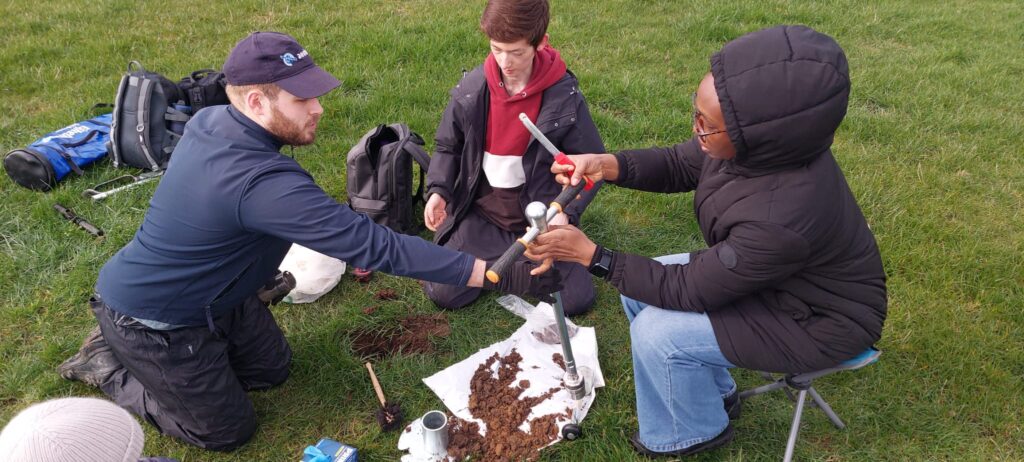
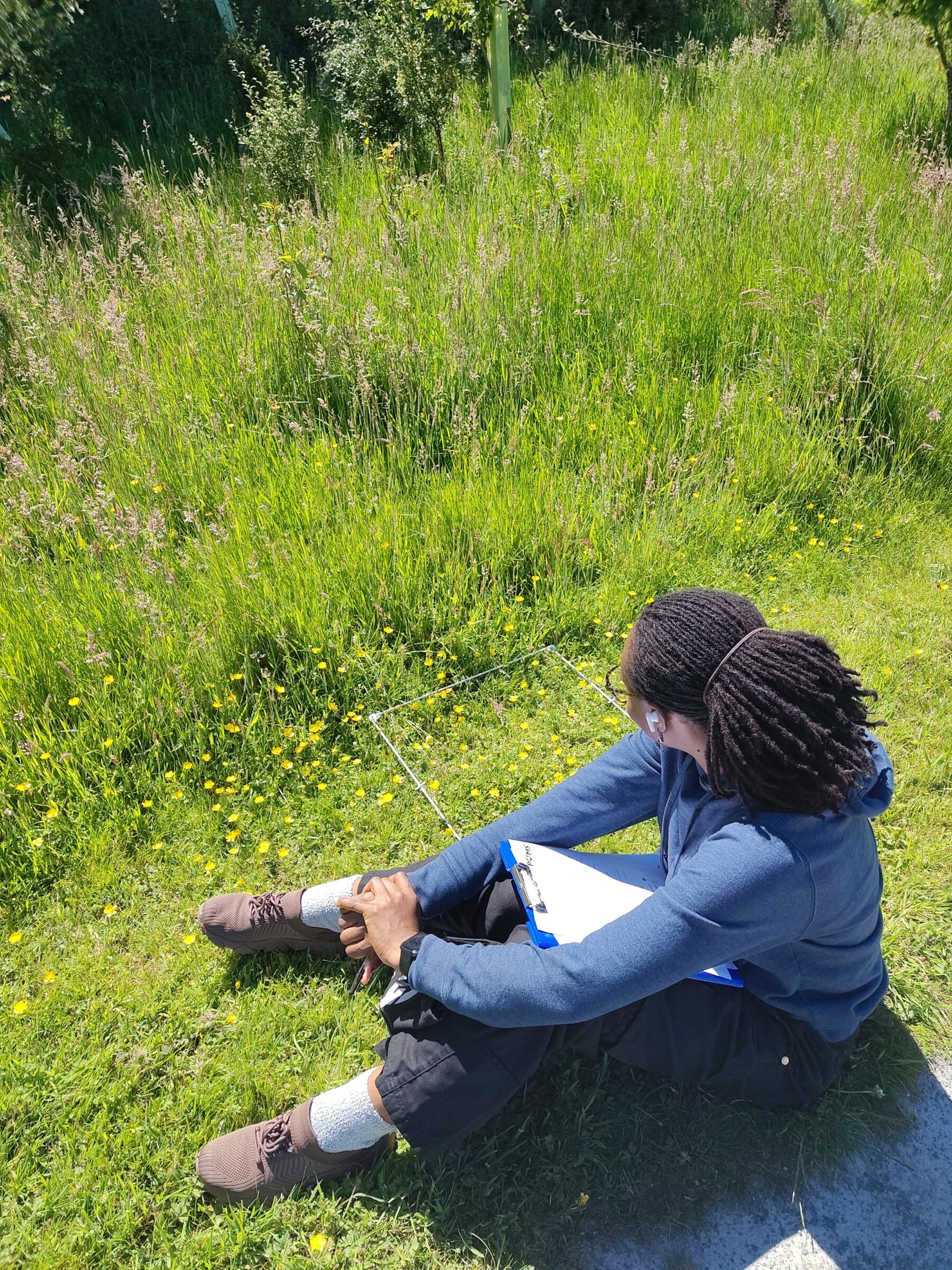
I participated in two field trip activities. The first was a soil sampling exercise at Langhill Farm, Easter Bush Campus, Edinburgh where we collected soil samples to measure soil carbon levels and support the farm’s journey towards more regenerative farming practices. The second was a pollinator survey at Easter Bush Campus, where we conducted Flower-Insect-Timed Counts as part of the UK Pollinator Monitoring Scheme, helping to contribute to a national dataset of pollinator abundance.