Over the past year, the Wilding Campuses programme has been tackling the biodiversity crisis by transforming some of Nottingham’s campuses into thriving biodiverse spaces. Launched in 2024 by SOS UK in partnership with Bluecoat Aspley Academy, Nottingham College, and The University of Nottingham, and funded by the National Lottery Heritage Fund, the initiative empowers students and staff to restore and protect local natural heritage.  

With 97% of flower-rich meadows and 90% of heathland in Nottinghamshire lost since the 1920s, and numerous species and habitats now at risk, practical skills sessions, habitat improvements, and nature-themed wellbeing activities are helping to rebuild ecosystems and reconnect students with nature. 

See below for some highlights from this year: 

University of Nottingham  

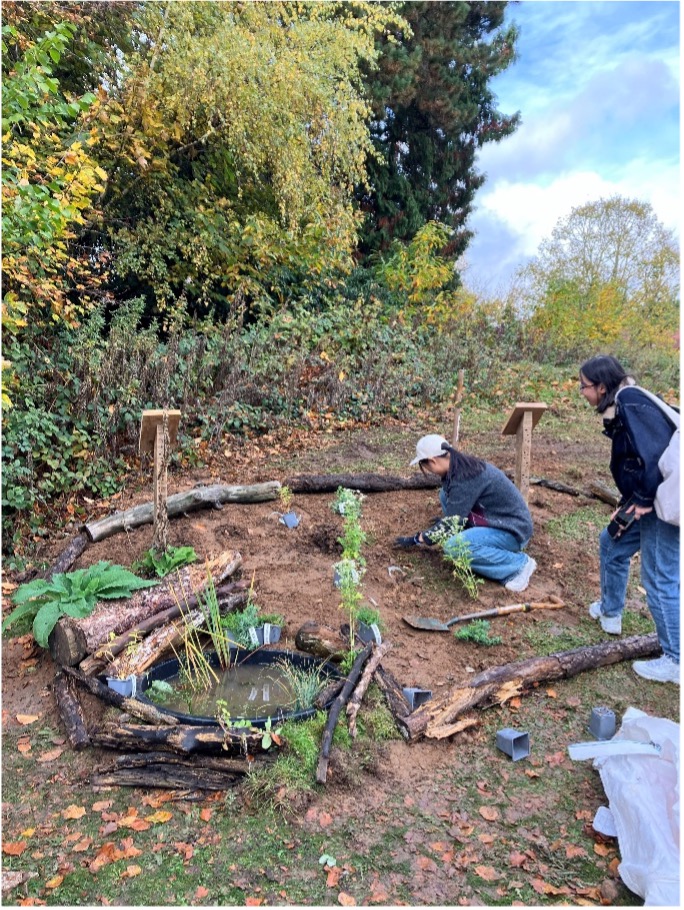
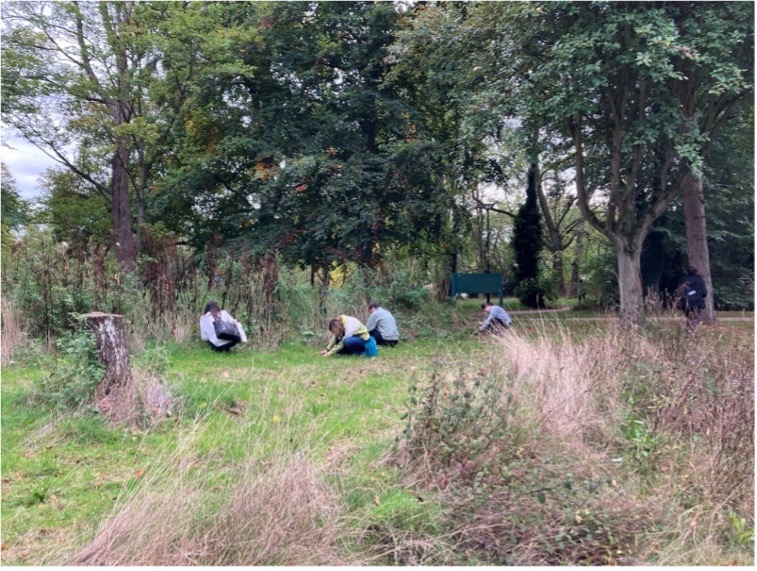
The University of Nottingham has had a productive year, with a focus on biodiversity and engaging staff and students in nature-based activities. Two successful BioBlitz events were held on campus in 2025, bringing in 830 observations and 329 species identified. The university has also worked on enhancing campus habitats, including creating diverse grassland areas, planting a hazel hedge to link habitats, and improving the Wellbeing Allotment with new features like bucket ponds and a wildflower bank. The team has secured Tree Council funding to plant even more trees, further bolstering campus biodiversity. Additionally, foraging walks have been popular with staff and students, offering an accessible way to connect with nature, especially for those in departments like the School of Medicine, where green space is limited.  

Looking ahead, the team has exciting projects in the works, including a moon meadow to support moths and bats, as well as a floating ecosystem to enhance campus biodiversity. They’ve also planned engaging activities like wreath-making workshops and hedgehog house building. With a growing team that now includes a student assistant and two new Youth Wilding Ambassadors, the university is well-positioned to keep momentum going and continue its work in promoting sustainability and wellbeing on campus.

Nottingham College  

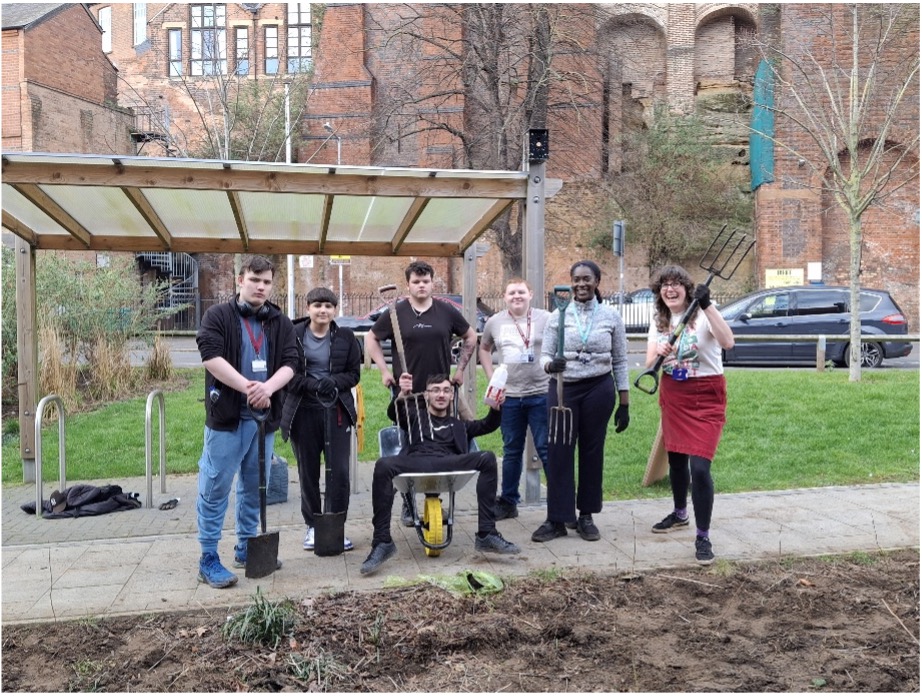
Nottingham College has made great strides this year in integrating nature into campus life, with several student-led projects driving the change. One of the standout initiatives is the creation of a micro-forest at the City Hub, where 100 native trees were planted to foster a rapidly growing woodland. This project is designed to support local wildlife and mimic natural growth patterns. Additionally, the pollinator-friendly flowerbed at City Hub has been transformed into a wildflower meadow, attracting a variety of pollinators and enriching the campus ecosystem. 

The new wildlife pond at Basford campus, built by students, has quickly become a hub for biodiversity, with habitats for frogs, newts, and dragonflies. Over the course of the BioBlitz events, students identified 259 species and recorded 830 observations. Plans are underway to continue tracking biodiversity improvements, with more wellbeing and habitat-building activities planned for the future. As the year progresses, the college remains committed to maintaining wildflower meadows and creating engaging, nature-rich spaces for students, ensuring sustainability remains central to campus life. 

 Bluecoat Aspley Academy

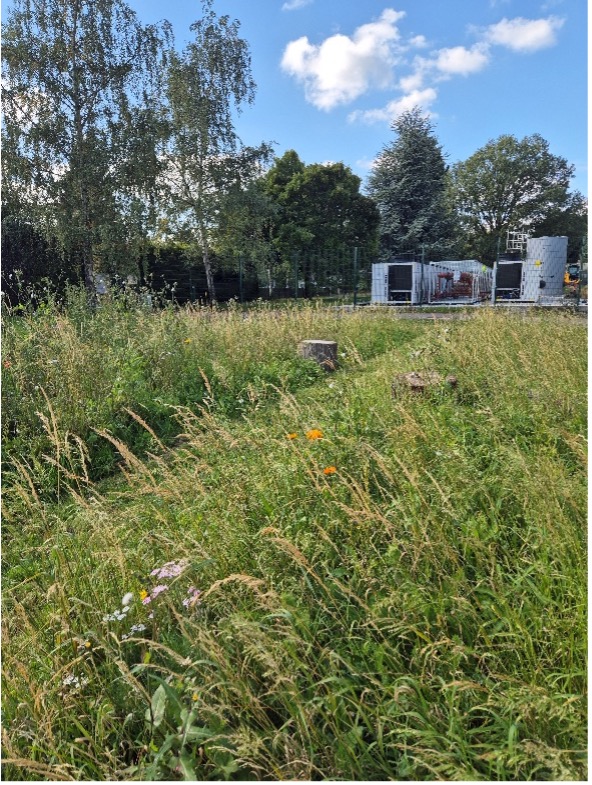
Bluecoat Aspley Academy has made great progress this year in transforming its outdoor spaces into wildlife-friendly areas that support both the environment and wellbeing. The wildflower meadow, which thrived despite a challenging heatwave, has become a popular spot for staff and pupils, complete with mature silver birch trees and recycled log piles. The school has worked with its maintenance team to create a balanced environment, blending clean lines with wildlife habitats. Wilding Ambassadors have played a key role, running BioBlitz training and identifying 61 species and recording 99 observations during recent BioBlitz events. They’ve also explored the Miyawaki Method for small-scale forest planting, contributing to long-term habitat creation.

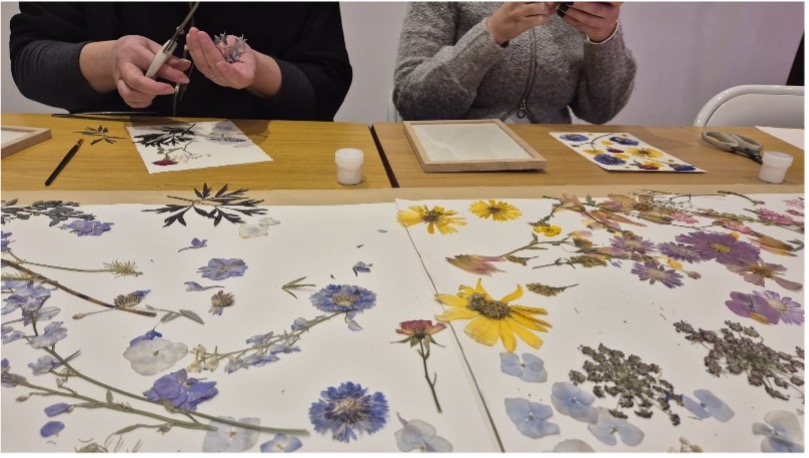
In addition to these environmental efforts, the school has prioritised staff and pupil wellbeing through nature-based activities, like a flower pressing session for the HR team. Looking ahead, Bluecoat Aspley plans to engage the SEN departments more with nature activities and expand wellbeing sessions. The school’s recent community exhibition, which showcased its environmental work, received positive feedback from local councilLors and the public, reinforcing its commitment to sustainability. These projects are fostering a deeper connection to nature for both pupils and the wider community. 

What’s next for Wilding Campuses? 

As the Wilding Campuses project nears its completion in April 2026, our partners are finalising their remaining sessions across land management, practical skills, wellbeing activities, and biodiversity training. We’re excited to celebrate all the hard work and achievements at our final celebration event in early March at Bluecoat Aspley Academy. Stay tuned for more details on our social media! 

After the celebration, we’ll focus on final reporting and gathering feedback. We’ll also be scheduling end-of-project interviews and focus groups from February to April to capture reflections from students and staff. Keep an eye on our channels for updates as we wrap up this exciting project! 

Wilding Campuses is a partnership project led by SOS UK and made possible with the Heritage Fund and thanks to National Lottery players.